
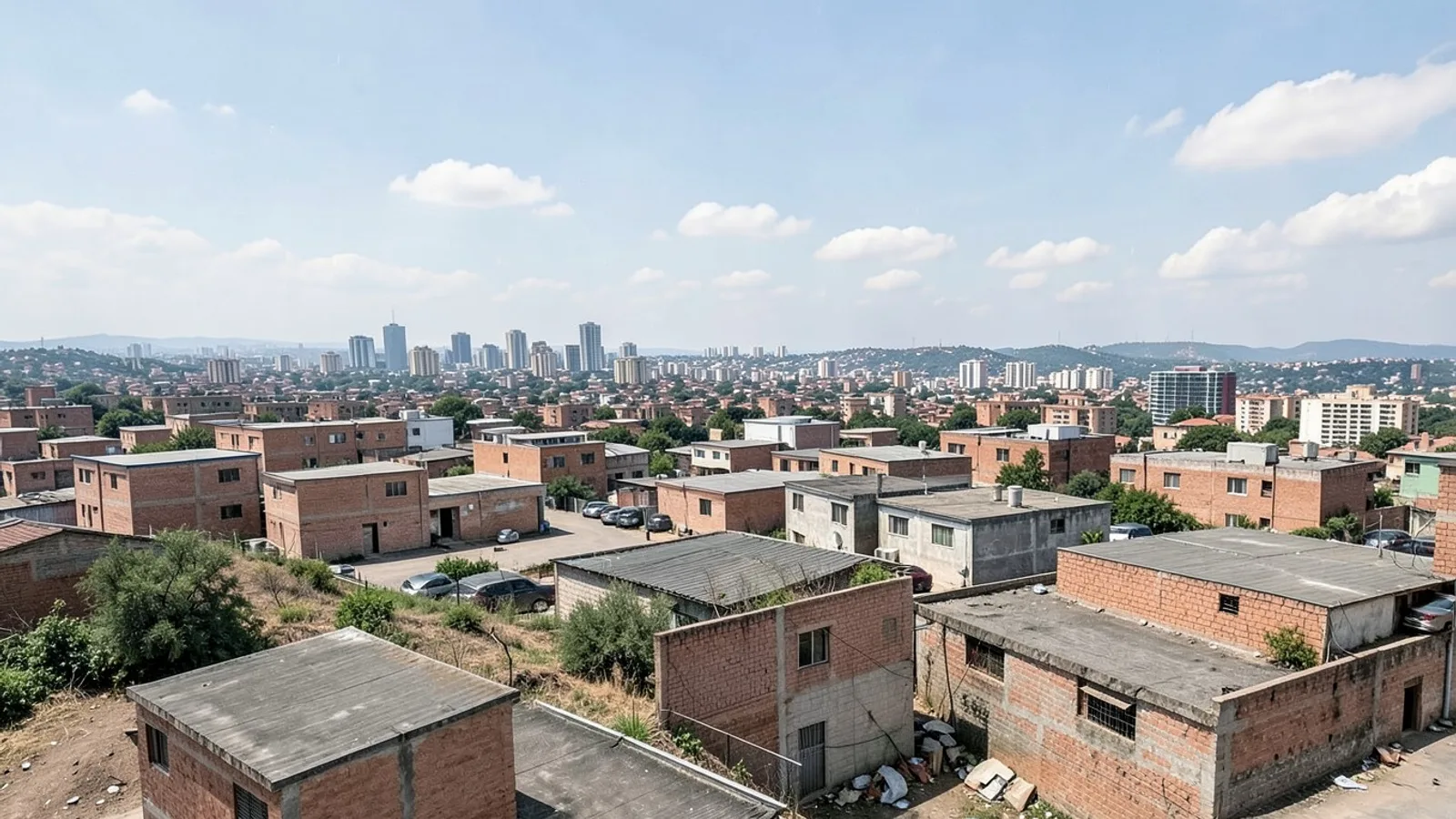
Asset management and the execution of transactions involving real estate in Goiânia, the capital of the state of Goiás with a population of 1,503,256 inhabitants, require technical caution and compliance with the national legal framework. Purchasing a plot of land, entering into a purchase and sale agreement for an apartment, executing commercial or residential leases, and completing the registry regularization of urban areas demand constant adherence to the rules of the Civil Code and public records legislation. Faced with contractual drafts that are sometimes unbalanced, as well as certificates containing restrictions and encumbrances that go unnoticed by an untrained eye, the advisory and litigation intervention of a real estate lawyer is the appropriate mechanism to safeguard family or business assets and ensure that the parties negotiate on solid ground. To understand how to begin this preliminary verification of documents and rights, citizens can consult the customer service page and structure the steps of their consultation.
Seeking specialized technical assistance should not occur only after a conflict has already arisen, such as in cases of unjustified delays in construction delivery, prolonged default on installments, or boundary disputes between adjacent landowners. The proactive involvement of a real estate specialist identifies material risks before any amount is transferred as a deposit or down payment. This meticulous analysis protects the good-faith buyer or seller against hidden liabilities, fraud against creditors, and impediments that could preclude the future execution of the definitive public deed, ensuring peace of mind at every stage of the transaction.
Overview of Real Estate Transactions and Asset Risks in Goiânia
The real estate market in a major urban center like Goiânia features a significant diversity of legal transactions, ranging from consolidated residential areas to expanding new subdivisions and commercial developments. Under the Brazilian legal system, the inter vivos transfer of real property is only finalized upon the effective recording of the conveyance title with the competent Real Estate Registry Office. Signing private instruments that are not registered, commonly known as informal unrecorded contracts, does not transfer legal ownership against third parties, leaving the purchaser in a vulnerable position should the registered owner face tax, labor, or civil enforcement proceedings.
When advising clients seeking to close deals in the capital, the work carried out by a real estate lawyer in Goiânia investigates the integrity of the chain of title and verifies the legal standing of the sellers. This verification includes checking the marital status of the parties and the legal requirement for spousal consent, depending on the property regime governing the marriage or civil union. The lack of spousal consent, when required by law, renders the transaction void or voidable, causing substantial losses and financial insecurity.
Another crucial preventive measure is protection against eviction under the law, which is the loss of the acquired property by a court ruling recognizing a preexisting right of a third party. When drafting preliminary purchase and sale agreements, this legal professional prepares protective clauses that define late penalties, stipulate the obligation for full restitution with damages, and set strict deadlines for executing the definitive deed and paying the applicable transfer tax.
Preventive due diligence and title examination in purchase and sale transactions
The proper structuring of a purchase and sale transaction requires technical verification of a broad range of certificates and receipts, ensuring the seller's good standing and the legal soundness of the transacted property. When the transaction involves autonomous units in condominium buildings or urban land subdivisions, the documentary complexity increases, demanding strict scrutiny in cross-referencing the factual situation with the property record sheet registered at the notary's office.
Legal due diligence roadmap and preliminary checklist
To provide security for the buyer and reduce the risks of future disputes before the Judiciary, it is recommended that the parties carry out an orderly document verification routine prior to signing binding contracts or transferring sums of money:
- Updated full-content property registration certificate and certificate of encumbrances: issued by the competent real estate registry of the jurisdiction, recently dated, to certify that the sellers are the actual owners and that there are no recorded encumbrances such as mortgages, attachments, fiduciary liens, usufructs, or asset unavailability orders;
- Certificate of clearance of municipal tax debts: proves the absence of outstanding liabilities regarding the Urban Property Tax (IPTU) and municipal service fees, debts that are of a propter rem nature and remain attached to the property regardless of who held possession at the time the taxable event occurred;
- Statement of clearance of condominium fees: signed by the presiding building manager or the authorized management company, accompanied by the corresponding election minutes, verifying that the unit has no overdue debts for ordinary assessments or reserve funds;
- Search for pending lawsuits against the transferors: civil and tax distribution certificates issued by the State Court and the Federal Court, both in the judicial district where the property is located and at the sellers' domicile, in order to rule out civil insolvency or enforcement actions that could lead to a finding of fraud against execution;
- Clearance Certificate of Labor Debts (CNDT): obtained from the Labour Court, required to confirm that the sellers or their companies are not subject to labor liabilities that could reach the transferred asset through the piercing of the corporate veil;
- Building compliance and certificate of occupancy: verification with the municipal authority to confirm whether the built area matches the approved blueprints and is recorded on the registration title, preventing municipal citations and costly physical regularization requirements.
The meticulous compilation of these documents eliminates unnecessary risks and secures the purchaser's legal standing as a bona fide third party. The interpretation of each of these certificates is the responsibility of the real estate lawyer, who will identify the appropriate safeguards for the specific case.
Lease disputes, urban developments, and possessory protection
In addition to the sale of existing properties, demands within tenancy relationships governed by Federal Law No. 8,245/1991 account for a significant portion of the work carried out by real estate lawyers. Lease agreements drafted with vague terms frequently give rise to disagreements regarding periodic adjustment indexes, the allocation of building maintenance expenses, and the payment of routine and extraordinary condominium fees. Professional legal counsel balances the rights of both landlord and tenant, providing guidance on the legal limits of guarantees such as a guarantor, security deposit, and rent guarantee insurance, as the law prohibits combining more than one guarantee in the same agreement.
In the corporate sector, the support of a real estate lawyer is essential for preserving the commercial location and the goodwill built by the tenant. Filing a commercial lease renewal action in a timely manner requires strict adherence to the non-extendable statutory deadline between one year and six months prior to the expiration date of the current contract, as well as fulfilling all other statutory requirements simultaneously to prevent the unjustified loss of the business premises. Likewise, this ensures the tenant's right of first refusal is respected should the owner decide to sell the property to third parties during the term of the agreement.
In the realm of possessory rights and land regularization, situations involving prolonged possession without definitive title registration may require filing adverse possession actions, either judicially before the State Court or through out-of-court administrative procedures before the competent notary and registry offices, provided the criteria of time, continuous possession, and intent to own are met. If a lawful possessor faces threats, disturbance, or dispossession resulting from physical encroachment or border disputes, urgent possessory remedies seeking injunctive relief aim to restore possession swiftly, substantiated by technical surveys, descriptive memorials, and documentary evidence of prior occupation.
Jurisdictional competence and dynamics with neighboring municipalities
Goiânia plays a central role in the economic and legal organization of the state of Goiás. Disputes of a real estate, civil, possessory, and public registry nature concerning properties located in the capital are heard before the State Court, under the jurisdiction of the Court of Justice of Goiás (TJGO). Any consumer controversies involving large construction companies or housing cooperatives may involve the preliminary intervention of administrative bodies such as Procon (consumer protection agency) or be submitted to the Small Claims Court for cases of lesser financial complexity. Lawsuits with federal repercussions or constitutional and infraconstitutional questions can reach the Superior Court of Justice (STJ) and the Federal Supreme Court (STF), both located in the federal capital, Brasília.
Regarding in rem rights over real property, the territorial jurisdiction rule of the forum rei sitae applies. Consequently, the geographic location of the property precisely determines where certificates must be issued, where municipal taxes apply, and before which court the appropriate actions must be brought. The urban conurbation and territorial contiguity of Goiânia with surrounding cities generate a constant circulation of deals, contracts, and assets that require technical caution in identifying the competent court.
This metropolitan reality is clearly reflected in the interaction with Aparecida de Goiânia, a neighboring city located at a distance of 16.1 km from the capital. It is routine for residents of Goiânia to acquire lots, industrial warehouses, or houses in Aparecida de Goiânia, making it imperative to request certificates from the registries of that judicial district and issue tax collection forms with that municipality's administration, without confusing the records of the capital with those of the adjacent municipality.
Similarly, the integration with Senador Canedo, located 17.4 km from Goiânia, fosters frequent residential and industrial transactions. When formalizing purchase, sale, or lease contracts in this contiguous city, legal counsel verifies whether the land registry folio belongs to the local judicial district and whether the contractual clauses select the appropriate forum, avoiding claims of procedural lack of jurisdiction that could delay the processing of urgent collection or termination measures.
Another significant real estate flow occurs toward the municipality of Trindade, located 25.2 km from Goiânia. Dealing in recreational country houses, urban land plots, and residential properties between residents of both cities requires special attention to the recording of deeds and the compliance of land subdivisions, preventing the purchase of areas included in irregular parceling. Related relationships also extend to surrounding municipalities such as Abadia de Goiás, 21.4 km from the capital, Goianira at 27.4 km, Nerópolis at 30.5 km, Hidrolândia at 31.7 km, and Guapó at 34.1 km, demonstrating that document analysis must always respect the real estate registration district where the property is physically located.
Ethical professional practice and intermediation through the app
The practice of law is subject to the deontological rules established by the Brazilian Bar Association (OAB). In any contractual opinion, preventive analysis of certificates, or handling of contentious legal proceedings, the professional acts with independence and technical responsibility. In accordance with professional ethical standards, no lawyer may guarantee or promise favorable outcomes regarding a lawsuit or registry procedure, since the final decision rests exclusively with the Judiciary and delegated public registrars. Legal practice is directed toward the diligent use of procedural techniques and legal arguments to safeguard the client's interests. For citizens who prove socioeconomic hardship and cannot afford private representation, comprehensive and free legal aid is guaranteed by the State through the Public Defender's Office. Information about other fields of law can be consulted on the initial guidance portal.
When retaining private legal services, legal fees must be established expressly and in advance, by means of a written agreement entered into before the start of any work. This contractual instrument transparently defines the scope of representation, the acts included in the advisory service, the agreed amount, and the payment method, in addition to clarifying responsibility for external operational expenses, such as court fees of the Judiciary and notary and real estate registry fees.
To facilitate contact with qualified professionals in Goiânia and the metropolitan area, our app provides a direct and secure means of legal connection. Users describe their situation in their own words, using voice recording or text messages, completely free of charge and without requiring a login or prior registration. A digital assistant organizes the information provided into a secure case summary and forwards the inquiry to lawyers who have registered practice in the field of real estate law in the city.
Citizens have full autonomy to choose which lawyer they wish to speak with. The initial interaction takes place in a private environment, within the app itself, keeping personal data protected until both parties formally agree to proceed with the consultation. Lawyers maintain profiles on the tool showing their respective practice areas and respond directly to submitted requests. If you need to review a draft contract, purchase real estate with legal certainty, formalize a lease, file a possessory action, or regularize property titles in Goiânia and neighboring cities, describe your case in the app and speak in a private environment with a real estate lawyer, agreeing upon all conditions and fees in writing before the service begins and without any promise of outcome.
Goiânia and surroundings
Lawyers who practise in Goiânia also take cases from nearby cities.
How it works
- Tell the case
By voice or text, no sign-in. It takes a few minutes.
- The assistant organises it
Facts, dates and documents become a clear summary.
- You choose the lawyer
Professionals who practise in Goiânia, in alphabetical order.
Legalocal does not recommend or rank professionals: the list follows alphabetical order.
Frequently asked questions about Goiânia
When is it advisable to seek a real estate lawyer in Goiânia?
Legal counsel is recommended before signing purchase and sale agreements, finalizing residential or commercial leases, and regularizing property registrations. Preventive action protects the assets of residents in the capital conducting property deals locally or in neighboring municipalities such as Aparecida de Goiânia, located 16.1 km away, ensuring all documentation complies with the legal standards of the jurisdiction where the property is located.
What does the real estate lawyer review before a purchase deposit is paid?
The professional carries out a thorough document audit, verifying the updated deed at the real estate registry, ensuring the absence of encumbrances like attachments or fiduciary liens, and checking that municipal taxes are paid in full. The seller's legal standing and any pending lawsuits posing risks of fraud against creditors or execution are also examined—an essential safeguard for acquisitions in Goiânia and nearby cities like Senador Canedo, situated 17.4 km away.
How are possession and property regularization lawsuits handled in Goiás?
Proceedings such as adverse possession, repossession, and compulsory adjudication are handled in the State Court under the Court of Justice of Goiás. The lawyer reviews chain-of-title certificates, descriptive surveys, and evidence of continuous possession to substantiate judicial or extrajudicial claims. This technical analysis protects possessory rights in Goiânia as well as neighboring metropolitan municipalities, such as Trindade, located 25.2 km away.
How does connecting with a lawyer through the app work?
You describe your situation in your own words via text or voice message, free of charge and without requiring a login. An assistant organizes the details into an objective summary and routes the request to practitioners handling property matters in the municipality. Communication takes place within a private environment in the app, keeping personal data protected until both parties agree to proceed. Legal fees are agreed upon in writing before work begins, without any guarantee of outcome.